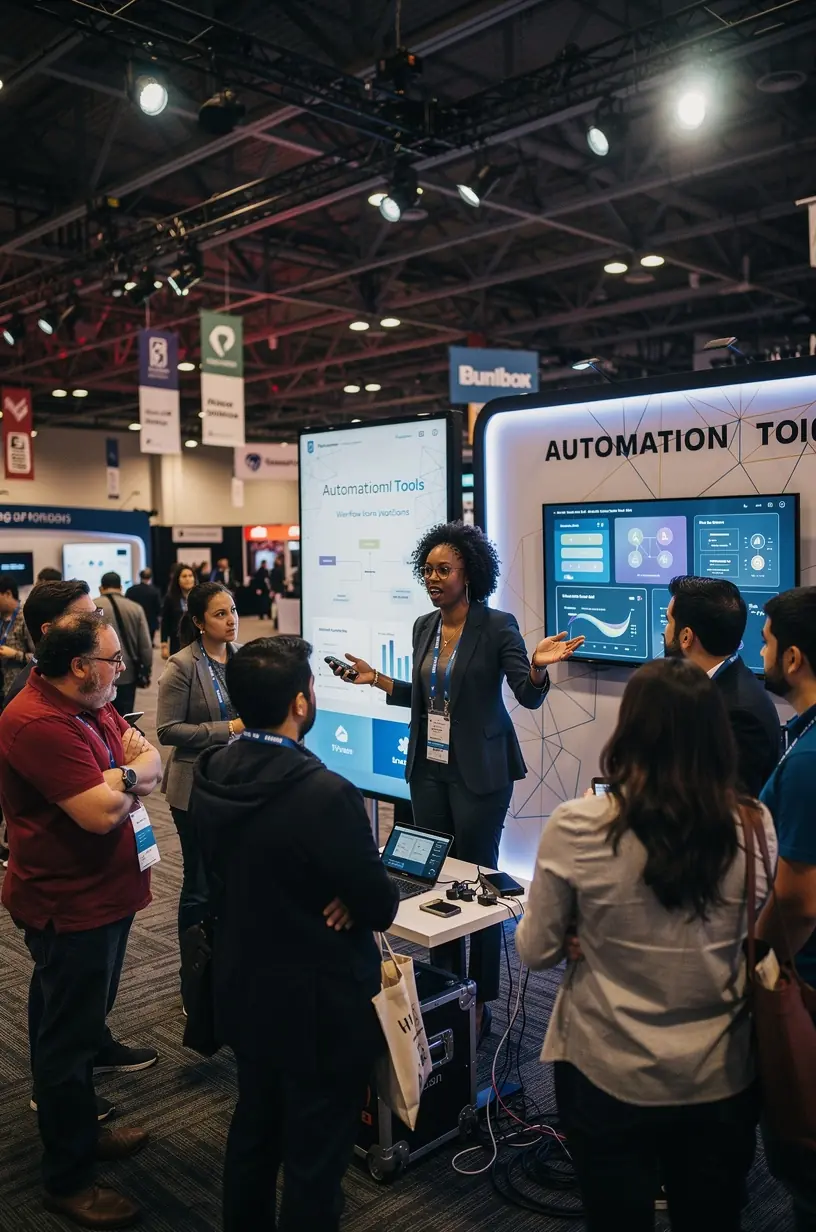
Lessons Learned from Automated Retail Experiences
As automation continues to reshape the retail landscape, understanding the lessons learned from automated retail experiences can provide valuable insights. This article explores the practical benefits and challenges faced by organizations in Canada, helping to demystify the process of implementing automation in retail settings.
Understanding the Role of Automation in Retail
Automation in retail typically involves the use of technology to streamline processes, reduce labor costs, and improve customer experience. According to research from the International Journal of Retail & Distribution Management, automated systems can enhance efficiency by up to 30% when integrated correctly. This improvement occurs because automation minimizes human error and optimizes workflow, allowing staff to focus on more critical tasks.

"Many users report that automation has transformed their operations, leading to faster service and reduced operational costs."
Key Lessons from Automated Retail Implementations
1. Start Small and Scale Gradually
Industry experts recommend beginning with pilot programs before a full-scale rollout. This approach allows companies to test various automation technologies while understanding customer reactions. In most cases, starting with a limited deployment can lead to adjustments that enhance future implementations.
2. Focus on Staff Training
Automation can require a significant shift in workforce skills. Employees often need training to effectively use new tools and systems. Studies show that organizations that invest in comprehensive training programs often see higher adoption rates and improved employee satisfaction.
3. Monitor and Adapt
Continuous monitoring is crucial to ensure that automated systems meet their intended goals. Performance metrics should be established early, and feedback loops need to be created to identify areas needing improvement. This works because timely adjustments can rectify unexpected challenges that arise during and after implementation.
Challenges and Limitations
While automation presents numerous advantages, it is not without challenges. Implementing new systems typically requires a commitment of time and resources. In many cases, businesses report that the integration process can take 3-6 months before seeing substantial improvements. Furthermore, automation may not be suitable for all retail environments. For example, stores with high levels of personal interactions may find that some tasks are better left to human employees, as automation can lack the personal touch that enhances customer loyalty.
Conclusion
Understanding the lessons learned from automated retail experiences is essential for organizations looking to embrace this technology. By starting small, training staff effectively, and continuously monitoring outcomes, retailers in Canada can leverage automation to improve efficiency and customer satisfaction. As the retail landscape evolves, these insights will remain relevant, guiding businesses in their automation journeys.